
The Hidden War Between Metal and Moisture
The recipe of rust is metal, air, and water. Unfortunately for our cars, that recipe is abundant. Of course, this comes in some very obvious ways such as rain, but cars’ panels are covered in paint that lets the rain fall off without sticking around for too long. There are other factors like humidity, snow, salt, and even the wind coming from the ocean that carries salt-water underneath a car and even under its paint. That’s where the real damage begins. There’s a level of rust that may even appear as normal, such as the rusty brake discs everyone has. To a degree, it’s not such a problem for discs to have a light layer of surface rust. The braking system chips much of it away. The same cannot be said for many other parts of the car.
Once rust begins, it doesn’t go away on its own. Much like a tooth cavity, once the hole grows, it doesn’t stop getting bigger and something must be done. A cavity hurts and someone would simply go to the dentist for a filling, but for cars, it happens all too often that the rust is unseen until it's too late. A muffler may fall off while driving due to rust that was unseen.
“How does someone not notice rust, and why don’t I hear about the woes of rust many people have?”
Rust can begin and take hold of a panel from under the paint. It can hit fast and hard and cause once healthy operating parts to turn into dust. Sometimes rust is the hand of many failures that the average person just never saw. Brake lines, suspension, even the frame of a car far too often fall victim to rust's fast growth.
“So what causes rust to settle in so fast?”
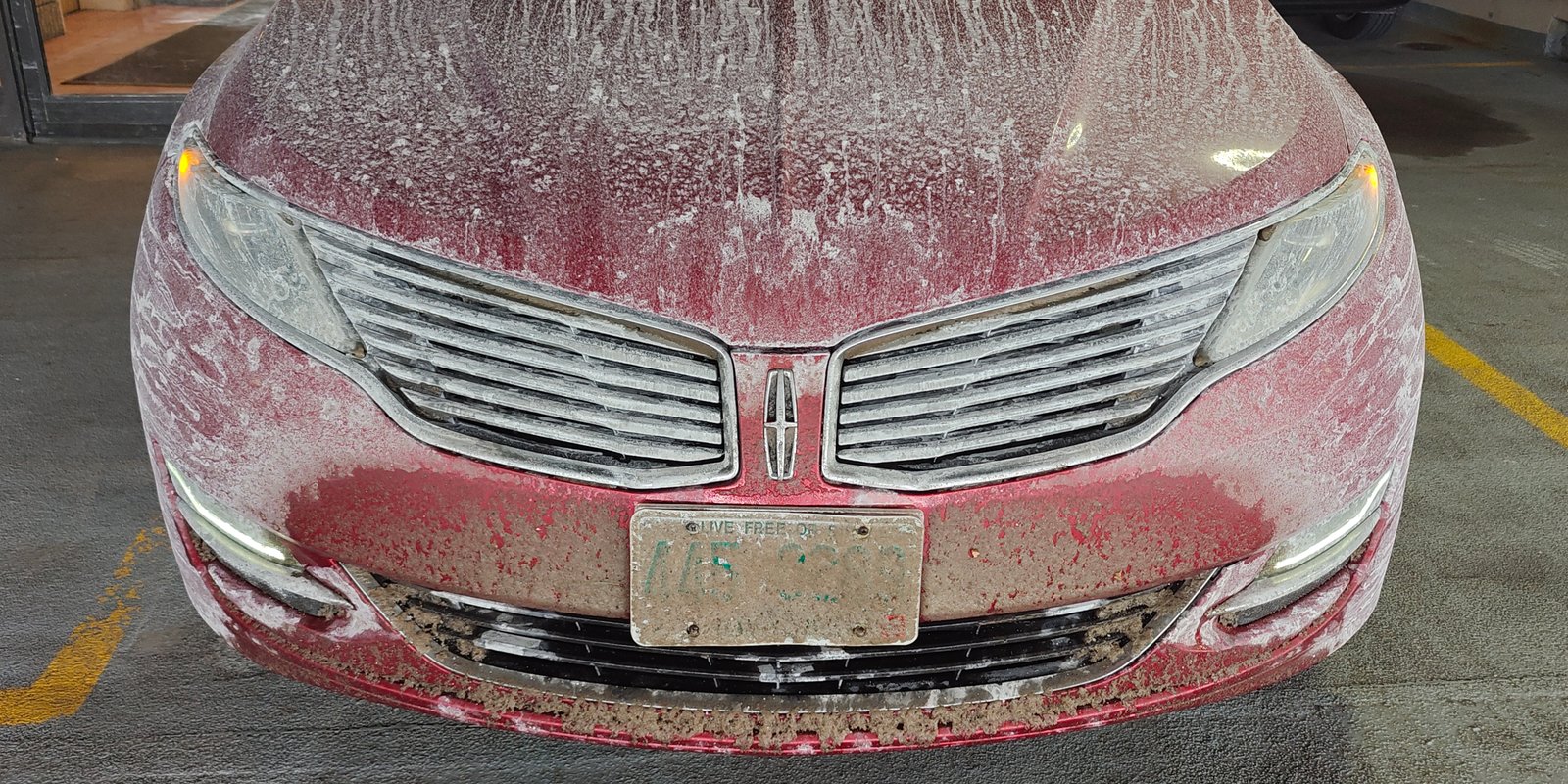
Let’s look at the winter. Rust doesn’t take long to become an issue in winter conditions. Cars generally are designed to withstand elements, but they can only withstand so much. The other big ingredient for the rust recipe is salt. When someone drives through a snowy street, even with only a light dusting, snow gets kicked up from the ground and lands on the bottom of your car. Many states (like Connecticut, Vermont, and Massachusetts) use salt to melt lower to boiling temperatures of snow and ice, allowing for more grip on the road. Unfortunately, salt also gets kicked up onto the car and traps moisture from snow or from the air in place. Salt quickly breaks down paint and traps moisture into the exposed areas, meaning rust can begin to form overnight!
“I park in a garage, so it shouldn’t be much of an issue, right?”
It’s certainly reasonable to think so. The issue is that the mixture of moisture and salt is still present. And now that the vehicle is in a warmer garage with little ventilation, the salt becomes more active. At around -4°, salt can’t melt and trap moisture as well and it would affect your car less to be parked outside than inside on a cold dry night. It sounds like a lot of babysitting just to make sure rust doesn’t begin. Maybe you can only park inside, maybe only outside. Maybe you are forced to park in a snowbank when you drive up to your sister’s house in Maine. Even a day can start the unforgiving process of rust growth.
“But the Winter is so short, not that much damage is getting done, right?”
Now, let’s look at the Summer. The Winter sounded like a playground for rust, but the Summer isn’t much better. Thankfully due to rain and the lack of salt being dumped on the street, there is still a major player for us living near the coast. The ocean is made up of salt-water. When it gets hot in the summer, that water evaporates and gets carried into the land as moisture. That moisture eventually settles onto your car. We already determined a garage can make that salt act faster to cold temperatures, but in the Summer, the outside air is constantly bringing that salt air in. It almost starts to seem like there’s no escape. A layer of oxidation grows and can slow the growth of rust down in theSummer, but due to the changing seasons and weather, this layer gets easily stripped away to reveal more metal to corrode.
“So what can I do about it?”
It’s certainly not hopeless. There are methods of protecting a car against rust. Regularly cleaning your car is the most powerful way to keep the rust away. Exposing your car to water almost sounds dangerous at this point, but it’s removing dirt, salt, and grime that all come from driving on the regular road. In times like the winter, these contaminants are far more rampant. Washing your car regularly can afford you additional years of time with your car, retain its value, and even improve gas mileage in some cases. There is also the method of ceramic coating. Ceramic coating acts as a tough layer that protects the car’s paint and metal against even harsh road salt, dirty snow, and beach salt air. With the combination of regular detailing, paint correction, and ceramic coatings, people are able to hold onto cars for decades longer than other cars while still looking brand new.
“My car is already rusty in some spots”
With careful examination, preparation, and execution, even still, something like a ceramic coat can be applied to trap the existing air and moisture on the vehicle in place, sealing it from the outside. Though, there is some caution about this. If a car is already getting rusty, it’s fair to say that moisture already exists on the car. If that moisture gets sealed with a coating, it could cause the rust to become even worse. DIY kits may look very tempting for some cost savings, but if used incorrectly, they could cost you the price of your car. That’s why professional detailers take meticulous measures to ensure the car’s paint and body will not just remain safe, but in better condition than ever while being well protected. Thankfully a little bit of rust doesn’t have to mean the end of a car, but the sooner it can become protected, the better the chances are.
No matter who you are, or what season it is, or where you park your car, rust doesn’t discriminate, but there are highly reliable methods of keeping your car clean and protected.