

How we rejuvenate vehicle interiors
The process of detailing an interior is about removing sources of contamination, odors, and restoring each material to the state closest to how it appeared when it was manufactured. Detailing Wizards' process is carefully constructed for perfection to remove contaminants to the purest extent and to protect and preserve all surfaces in their cleanest state. Our process focuses on perfect quality without risking causing damage to interior surfaces or materials.
- Agitation - Lift all contaminants from all surfaces through a variety of practiced, superior methods dependant on the type of each surface's material
- Removal - Extract all contaminants from all surfaces to leave behind only the material in its purest, cleanest state
- Protection - Superior methods that encase every surface to prevent contaminants from easily embedding without leaving behind any residue or oily texture
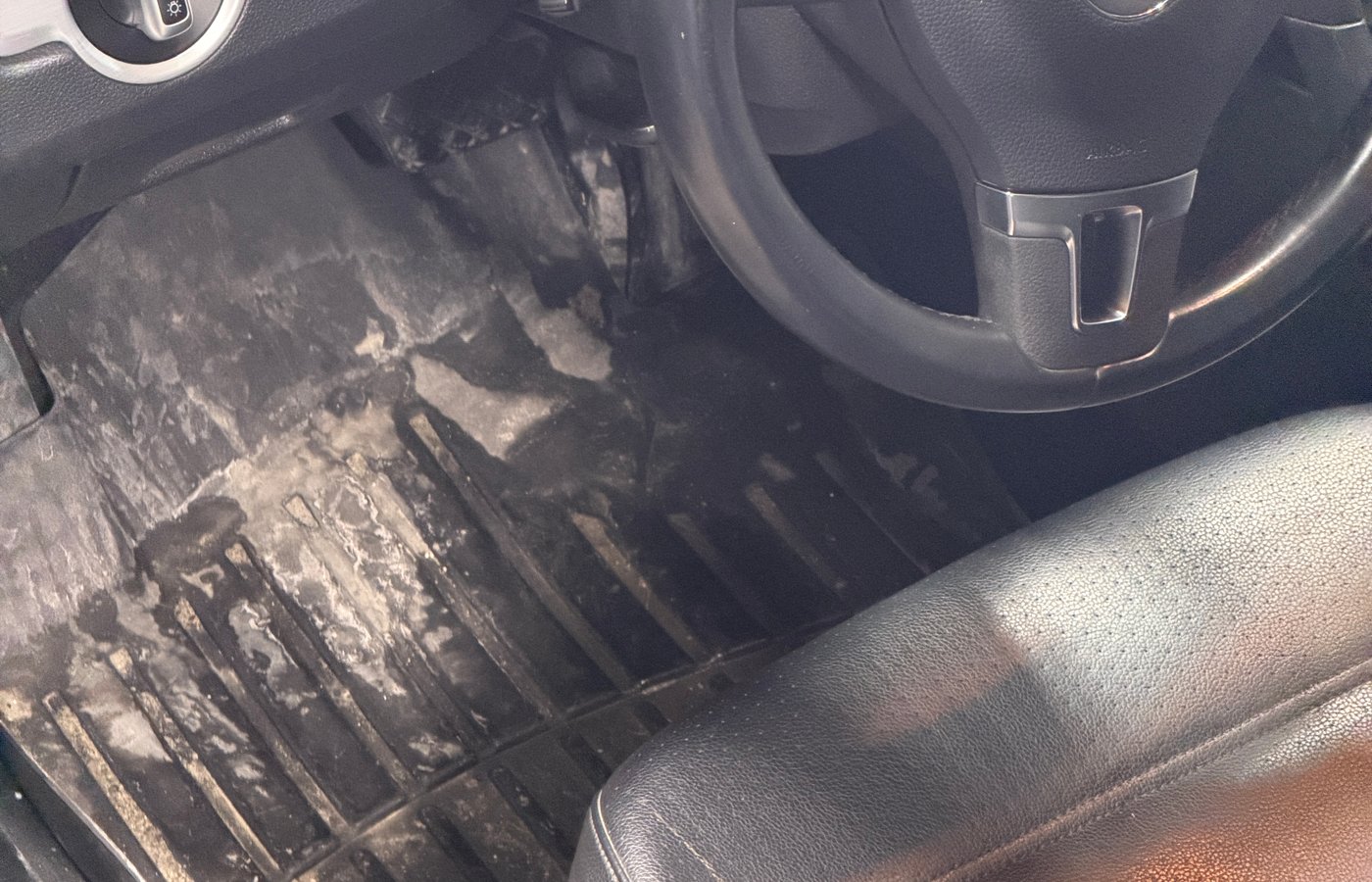
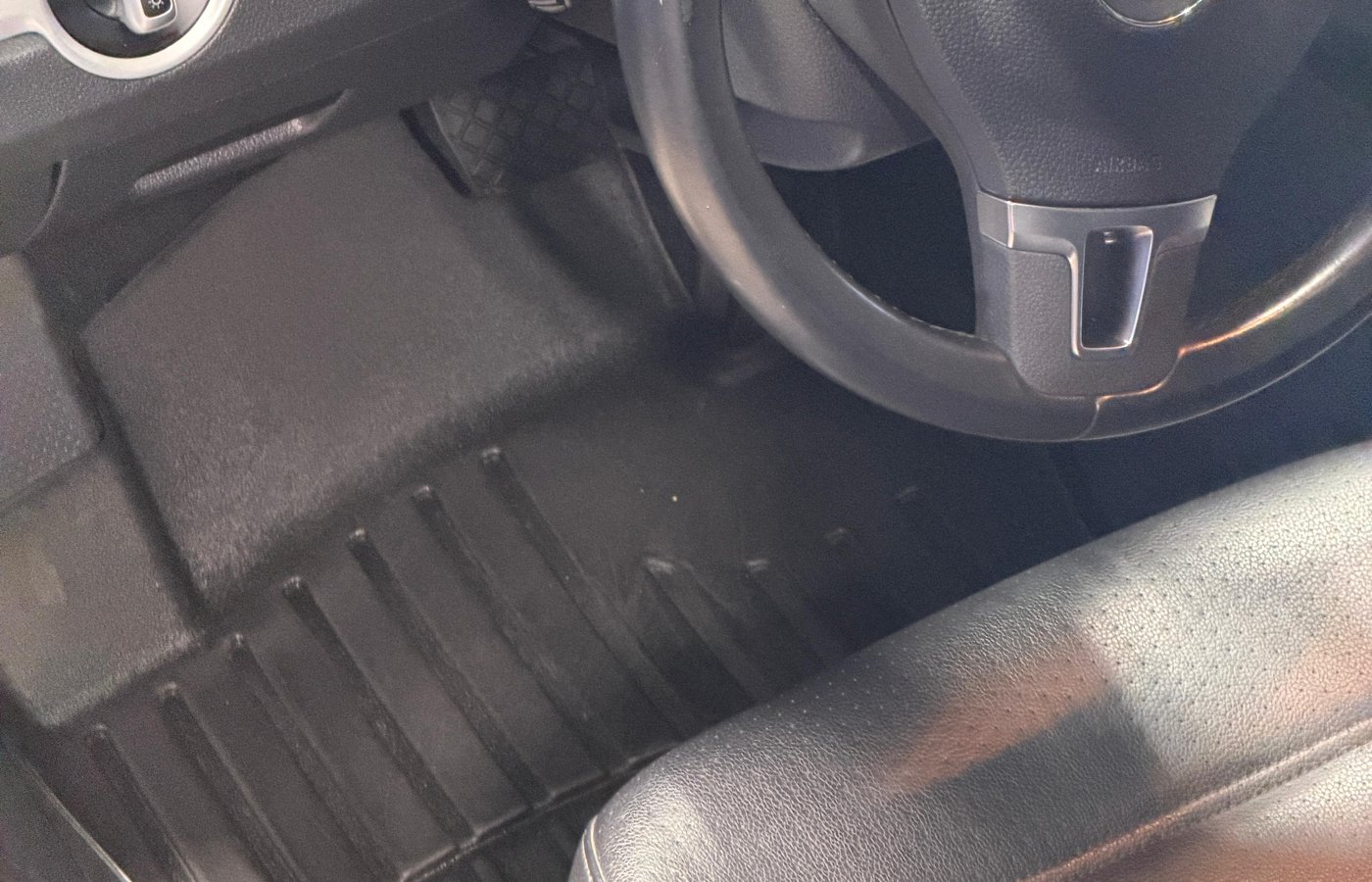
See our detailed process
Vacuuming
Our process begins with our vacuuming stage. To begin vacuuming, we'll first use an air blower to dislodge any dirt or debris that's lightly scattered. For concentrated piles of dirt, rocks, or grime, we'll vacuum first to prevent debris from spreading. We use the air blower (Tornador) to blow out all seat seams, cup holders, center consoles, and glove boxes to push debris onto the floor for efficient removal. We'll then use the Tornador in tandem with the vacuum to continuously lift and remove debris as it is loosened and reduce how many surfaces the dust will settle back onto or areas it can settle into such as vents and cup holders. This results in a more controlled and efficient cleaning process.
- For stubborn debris, we use a Red Drill Brush with a circular, gentle brush attachment to agitate carpet fibers
- For pet hair, we use a brush designed specifically for pulling out fur and we swipe back and forth while alternating between the Tornador and Red Drill Brush to fully release debris from the fibers
Interior vinyl, rubber, and plastic
We'll begin cleaning from the inside of the vehicle and work outward, starting in the driver area, as it's typically the most heavily used section of the interior. We use a steamer to pick up contaminants from porous surfaces to prevent micro scratching caused by wiping small debris across surfaces.
Quick note from Jake Ramos (CEO and head detailer) on why Detailing Wizards uses a Chief Steamer:
"I choose a Chief steamer over the common steamers marketed specifically for car detailing because it provides real cleaning power and durable performance without the compromises found in many other consumer-grade models. Chief steamers deliver hotter steam at a stronger pressure, which more effectively breaks down stubborn grime, oils, and embedded dirt in tight seams, upholstery, vents, and rubber trim. Many other steamers produce a weak, lukewarm steam, which isn't suitable for our needs.
Chief units maintain constant steam flow and precise temperature over extended use without dropping performance, which is critical when detailing multiple vehicles in a day. Many 'detailer' steamers lose pressure or cool down quickly under continuous use. Chief steamers are built with robust components designed for heavy-duty, professional environments. Typical consumer/detailer steamers use cheaper materials that degrade quickly when exposed to strong chemicals, repeated use, and high-temperature steam.
Many lower-end steamers rely heavily on moisture with minimal heat, which can leave water behind and potentially damage sensitive areas. The Chief steamer produces a dry steam when needed, allowing for effective cleaning with minimal moisture intrusion." Note - A dry steam refers to a steam with a lower percentage of water ~10% resulting in significantly less moisture buildup
From the driver's position, we clean the steering wheel and surrounding surfaces. We cover the clear plastic speedometer area to prevent overspray or moisture intrusion. This plastic is significantly less scratch resistant, so extra care is required to ensure no micro scratches appear on the speedometer or other plastic surfaces. Next, we lightly spray the windshield wiper and turn signal toggles, along with steering wheel controls, using P&S All Purpose Cleaner (APC). It's extremely important to clean these components with caution, as it's extremely easy to remove the icons printed on buttons, switches, and levers.
We use a combination of spray bottles and pump sprayers to ensure proper chemical application across all interior surfaces. Pressol ProSeries double-action sprayers are used for delicate areas where controlled, light application is required, while Marolex pump sprayers are used for heavily contaminated areas that require higher chemical volume. These sprayers are specifically selected for their chemical resistance, durability, and ability to deliver consistent, even coverage without breaking down over time.
For lightly contaminated interior surfaces, we apply APC directly to brushes instead of directly spraying the surface first in order to reduce wear against any surface. For any heavily contaminated surfaces, we will use a diluted degreaser (Super clean). If grime is built up in any cracks or crevices, we'll use a steamer in a constant motion to loosen contaminants and avoid discoloration or damage to any surfaces. After scrubbing, we'll immediately transition to an air blow gun or Tornador to dry surfaces without leaving marks and to remove any loosened residue. It's important to avoid spraying or blowing directly toward the speedometer to prevent cleaning products from entering behind the clear plastic.
Next, we'll move onto the dashboard. We lightly dampen a microfiber towel with water and spray APC directly onto the towel. Then, we wipe the dash evenly while avoiding contact with the windshield. For more heavily contaminated dashboards, we repeat the process and use the steamer to clean seams and vents. It's important to avoid using APC directly on screens. For lightly contaminated screens, we wipe gently with a dry microfiber towel lightly misted with water. It's important not to use APC or any other chemical cleaner on screens and displays since they are extremely sensitive. Chemicals will remove the anti-glare coating on screens and damage them over time. For that reason, it's best practice to clean with a clean microfibre cloth with a gentle mist applied onto the cloth. For final cleaning, we use our own glass cleaner on glass and clear plastic surfaces, using light pressure to prevent scratching.
We make our own glass cleaner to ensure a high quality performance that doesn't leave behind any streaks
We then continue to the center console. If cup holders are heavily contaminated, we spray APC inside and allow a brief dwell time to break down contamination. Then, we lightly spray surrounding buttons and trim, ensuring APC does not sit or pool around electronics. Next, we scrub cracks and edges using a Detail Factory ultra-soft detailing brush. We use a White Drill Brush with a long-handle attachment to thoroughly agitated and clean cup holders. For dirt lodged in crevices, we spray APC, scrub, and use a steamer to dislodge debris, immediately drying the area using the air blow gun or Tornador.
Seats and upholstery
We begin by inspecting seats for dirt, staining, and discoloration. For lightly contaminated leather seats, we spray APC onto a damp microfiber towel and wipe the surface evenly. For heavily contaminated leather seats, we spray APC directly onto the surface and scrub using the blue Viking brush or Autofiber Scrub Ninja pad. It's important to not allow APC to dry on leather, especially in warm conditions. It can cause a mark to appear on the leather surface that's discolored. We immediately wipe the surface and dry it using an air blow gun and a clean microfiber towel. For fabric seats, we lightly mist the surface with APC and agitate dirt and debris with a circular White Drill Brush, using a steamer as needed. We then immediately vacuum after agitation to extract loosened debris.
Seat tracks, pedals, and threshold trim
We clean seat tracks and rails by spraying APC, agitating with a steamer, and drying immediately using compressed air. Next, we prepare a microfiber towel beneath the brake and gas pedals to prevent APC from dripping onto the carpet below. Then we spray the pedals with APC, scrub using a Yellow Drill Brush, and dry with an air blow gun. We use a steamer for heavily contaminated pedal surfaces as needed. Next we clean threshold trim using APC and a Yellow Drill Brush for durable plastic surfaces or a White Tuf Shine Brush for delicate trim. Next, we dry the surface thoroughly with compressed air.
It's important for a detailer to use their best judgement on trim pieces to determine if the right call to action is the use of a microfiber towel or variant of Drill Brush. The detailer will always select what is necessary to refrain from causing damage to a surface without compromising a high-quality detailing service.
Air vents and crevices
We clean vents using the Detail Factory Ultra-Soft Detailing Brush with APC applied directly to the brush first. Then we agitate all vent slats carefully and follow immediately with an air blow gun or Tornador to remove dust and residue. For vents with heavy dust buildup, we use a steamer cautiously while keeping the nozzle moving at all times to prevent discoloring plastics and vinyls from excess heat and moisture.
Door panels
We begin by spraying door panels lightly with APC. Then we use a White Drill Brush with a long-handle attachment or a Detail Factory Ultra-Soft Detailing Brush to clean deep door pockets and storage areas. We next use a Yellow Drill Brush or Blue Viking Brush on armrest areas where body oils commonly build up. We use an Autofiber Scrub Ninja Pad or a Detail Factory Brush for buttons, trim, and delicate areas. It's important to avoid soaking buttons, switches, and electronic controls. We won't ever spray chemicals directly into speaker grills. We continue by scrubbing the surface lightly and using compressed air to remove any residue. Finally, we inspect each door panel to ensure an even, clean finish that's free of streaks or discoloration.
Interior protection
After all interior vinyl, rubber, and plastic surfaces have been cleaned and dried, we apply a protective layer using Aqua Gloss. We chose Aqua Gloss because of its high quality performance, minimal odor, dilutable quality, and because of how easy it is to use with our equipment. Aqua Gloss is used to protect interior surfaces from UV exposure, drying, and premature fading while enhancing the natural appearance of the material. The product is diluted with water and applied using an HVLP spray gun to ensure even coverage and control. We don't use a microfiber cloth or spray bottle to avoid over spray onto different panels and we avoid over applying protectant because the surface becomes oily. It's important to apply just as much as any specific surface needs
It's important to avoid spraying Aqua Gloss on glass, screens, gauge clusters, or any delicate electronic surfaces. These areas should remain free of protectants to prevent streaking, buildup, or visibility issues. When applying, work in controlled passes and focus only on vinyl, rubber, and plastic surfaces. If any overspray occurs, we'll immediately wipe the area with a clean microfiber towel. We allow treated surfaces to flash and dry naturally before final inspection. Once complete, we inspect all protected areas to ensure an even finish with no streaks, excess product, or glossy spots. The final result should appear clean, darkened, and protected—without having a wet or oily appearance.
Pet hair removal
Detailing Wizards performs pet hair removal to release hair embedded deeply within carpet fibers and upholstery. Embedded hair causes odor to accumulate as well as allergens.
We begin with dry agitation using dedicated pet hair brushes and follow by using a fabric softener and water mixture to reduce static cling in carpets and upholstery. Then we agitate carpet fibers using brushes and gentle drill attachments as needed. We use a Tornador air tool in tandem with vacuuming to quickly lift and remove loosened hair. We'll repeat this process as necessary until hair is fully removed. Pet hair statically clings to carpet surfaces and embeds deeply into its fibers. Reducing static pressure and combining air movement with agitation allows for faster, more complete removal of hair without risking causing damage to fabrics.
Interior glass and final touches
We begin by cleaning interior glass and mirrors using our own glass cleaner and a dedicated glass microfiber towel. We apply a light pressure on clear plastics and screens to prevent scratching. We finish with a Tornador or air blow gun to remove any remaining dust or moisture. We then reinstall any floor mats once fully cleaned and dried and apply a custom-designed protectant onto the mats that doesn't leave a slippy residue. We conduct a final interior inspection to ensure all surfaces are clean, dry, and uniform in appearance before moving on to exterior detailing if also requested.
Interior Painted Surface Polishing
Detailing Wizards offers interior painted and gloss polishing to remove fine scratches, swirl marks, and imperfections caused by wear, improper cleaning methods, and other damaging factors. We inspect all interior painted surfaces such as piano black trim, center console panels, and door trim.
To polish, we use a Maxshine 1-inch polisher with a pad and polish appropriate for defect severity. We work in small sections using light pressure and controlled speed. We then wipe any residue with a clean microfiber towel and inspect under a high-power light for any remaining defects. We'll follow this by applying a protective layer to all polished surfaces. Interior gloss surfaces scratch extremely easily. Polishing restores clarity and uniformity while restoring the appearance of glossed surfaces.
Carpet and fabric extraction + protection
Detailing Wizards offers carpet extraction to remove deep-set dirt, oils, and odors beyond what can be removed during the regular vacuuming process. Extraction physically removes contamination from deep within carpet fibers, restoring appearance and removing odor sources.
We begin with vacuuming the entire surface to agitate the area. Then we apply Systems Flex Powder Carpet Cleaning Prespray with Citrus Solv evenly across the carpeted surface. We allow for time to break down grease, organic contamination, and stains before extracting carpets using hot water extraction. We finish by applying Flex Ice Powdered Neutralizing Extraction Rinse to neutralize alkalinity and remove residue while using air movers to accelerate drying.
We use Flex Ice Powdered Neutralizing Extraction Rinse because it's a product designed for use by professional carpet cleaners. It has a higher concentration of more effective chemicals that won't cause harm to carpets while pulling out the most contaminants. Carpet cleaning products designed for auto detailing tend to be diluted and less effective. Detailing Wizards relies on proven quality in the products we use and test every product and use simply what works best.
Detailing wizards applies carpet and fabric protection to maintain clean surfaces that are less exposed to contaminants. Clean fabric without protection will absorb spills and stains quickly. Fabric guard creates a breathable barrier that slows absorption, allowing someone to have the time to clean spills before permanent staining.
We apply carpet and fabric protection to help repel liquids, prevent staining, and extend the life of interior fabrics after deep cleaning. Carpet and fabric protection is only applied after carpet extraction and full drying. We use 303 Fabric Guard because it provides durable water and stain resistance without stiffening fabric or leaving residue. We ensure all areas are dry before application. Once confirmed, we apply 303 Fabric Guard evenly to carpeted areas and fabric seats using light, controlled passes. It's important to avoid oversaturating the fabric. The carpet surface is given time to cure before further use.
Leather Protection
Detailing Wizards applies leather protection to restore moisture, prevents drying and cracking, and to protect leather from UV damage, body oils, and contaminants. Detailing Wizards offers conditioner protection by default, but we also offer an optional leather coating for longer and superior protection.
If leather coating isn't requested by a customer, we'll apply a leather conditioner that will still offer some form of protection. For traditional leather interiors, we use Meguiar's Gold Class Leather Conditioner Spray. We apply the conditioner to a microfiber towel or applicator pad and wipe evenly across the surface and allow the conditioner to be absorbed into the leather. We finish by buffing the surface lightly with a clean microfiber towel to remove any excess product.
If a leather coating is requested by the customer, for long-term protection, we apply Gyeon Leather Shield EVO. We first ensure the leather is completely clean and free of conditioners or residue before application. We apply the coating using a suede applicator in thin, even passes.
We then allow proper flash and curing time per manufacturer guidelines. It's important to not alter the finish since the product leaves a natural, factory-like appearance.
Leather coatings provide superior protection against dye transfer, abrasion, UV damage, and liquids. Unlike conditioners, coatings create a sacrificial barrier that dramatically extends the life of the leather. It's important to maintain the coating to allow the leather to prevent aging and damage to the maximum extent.
Book Now to Reserve Your Slot.
