

How We Restore Clarity
The process of restoring a headlight is actually dependent on removing the damaged layer of outer plastic. So a bit less of restoring, and more about delicate destruction. This requires a high level of sanding and must be done evenly across the entire surface of the plastic to remove only the tiniest possible layer of uneven and oxidized plastic. Sanding causes the plastic to rapidly change temperature, so Detailing Wizards regulates the temperature during the process of sanding.
- Sanding - Removes oxidation and imperfections in deep layers of the headlight’s plastic exterior
- Polishing - Smooths the surface of the headlight to allow light to form correctly through the plastic and retain full brightness and clarity
- Sealing - Fills in micro details to increase light performance and protect the headlight against harsh environmental elements for longer lasting high quality performance
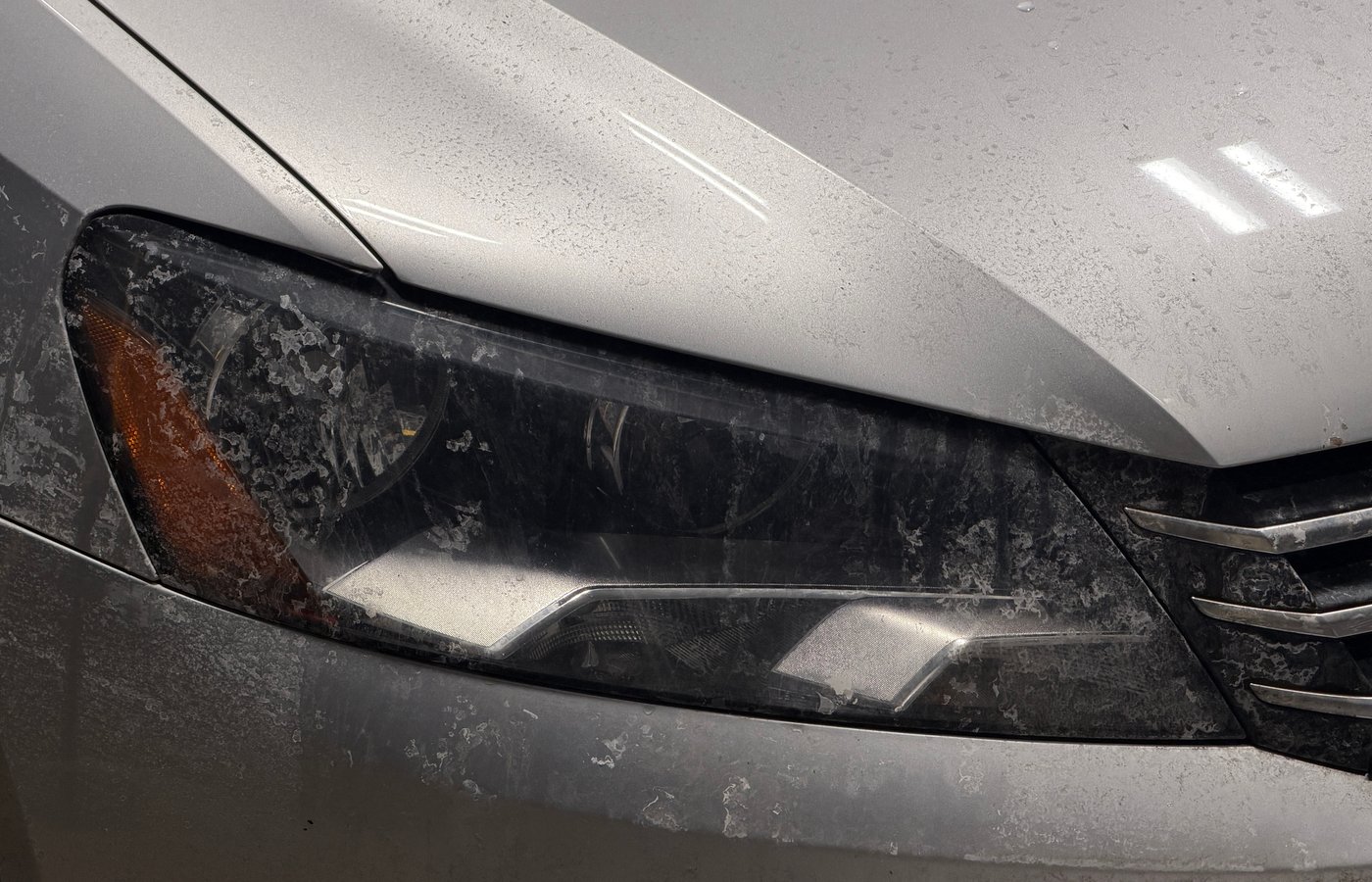
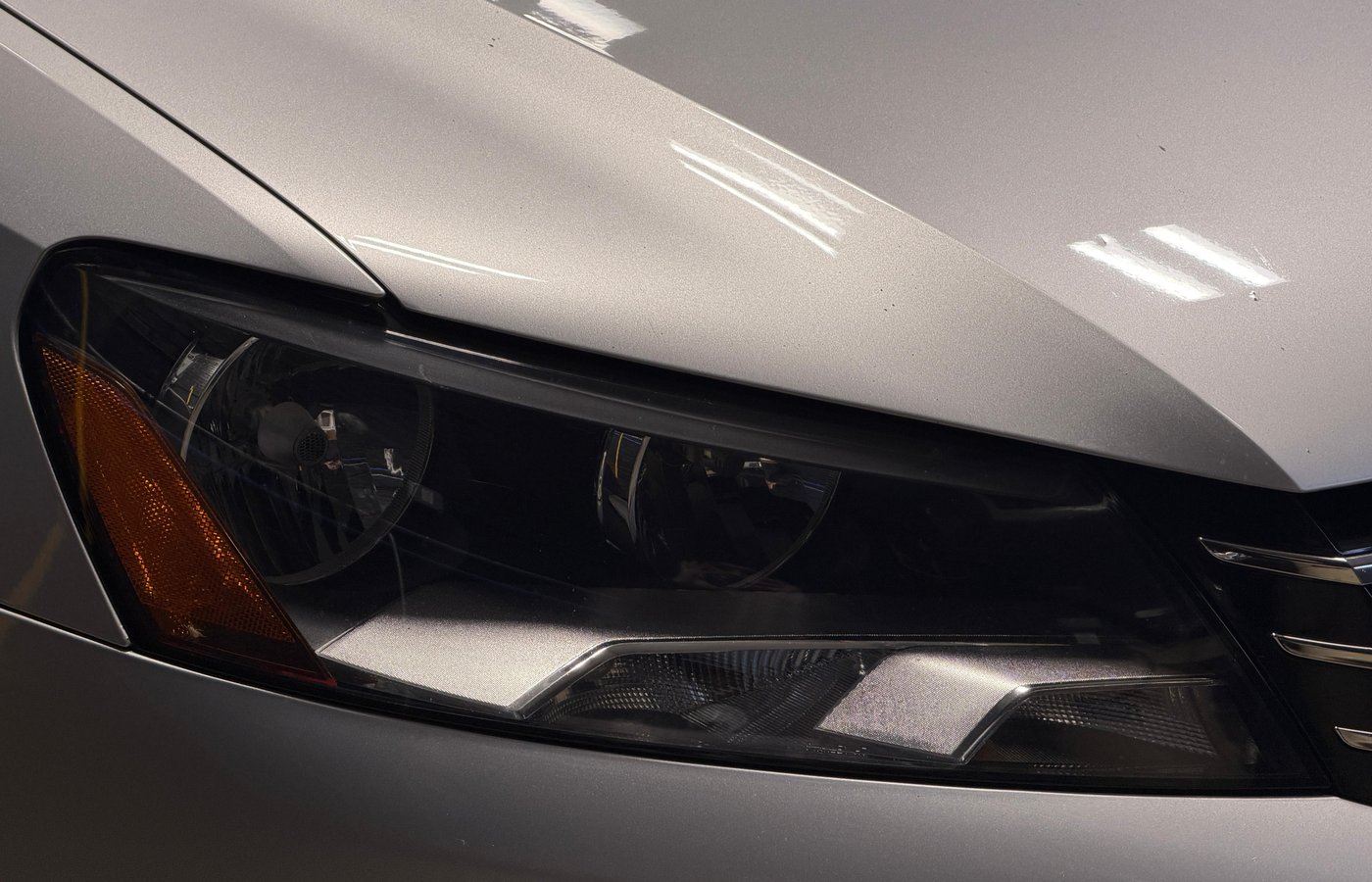
See our detailed process
Sanding
Detailing Wizards wet sands the outer layer of plastic away. Once oxidation is removed, we refine the surface using 3M Trizact foam sanding discs in a progressive grit sequence. I choose 3M Trizact foam sanding discs in a progressive grit sequence because they provide a level of control, consistency, and optical clarity that regular sanding discs simply can't match. Trizact uses a uniform, micron graded abrasive structure that cuts evenly and predictably, while the foam backing conforms to the curves of headlight lenses and reduces pressure on edges, preventing deep, uneven scratches. I start with 1000 grit only where oxidation runs deep, carefully removing just the damaged material and nothing more. The 1500 grit then averages the surface, removing the 1000-grit marks and creating a uniform scratch profile across the lens. The 3000 grit step is critical for optical clarity, reducing scratches to a micron level so light passes cleanly through the plastic instead of scattering and causing haze. This process reduces sanding time, minimizes heat buildup in the polycarbonate, improves polishability, and creates a surface that allows sealants to bond more effectively, resulting in a clearer finish and a longer-lasting headlight restoration than traditional sanding methods.
- 1000 grit – Some of the oxidation runs deep, and this level is done carefully to reach only exactly how deep is absolutely required
- 1500 grit – This level averages the depth across the surface more and removes sanding marks from 1000-grit and smooths the surface
- 3000 grit – This level is crucial to ensure that light is not being scattered across the surface of the plastic, leaving a hazy finish, or building heat.
While sanding, we use an extra layer of tape to protect the paint from any slight nicks. If using a single layer of tape, there is more opportunity to sand through the tape and damage the clearcoat or paint. For the sake of taking absolutely no risks, we use the extra layer to eliminate the possibility of accidental damage.
Sanding must be performed very carefully to ensure that light output is being restored back to its original output and clarity. Once something is sanded, it cannot be unsanded, so Detailing Wizards pays very close attention to assuring the layer is perfectly even and not discolored.
We use both 3-inch discs for primary surfaces. Then we use 1-inch discs for edges, corners, and tight convexed contours. This step is highly critical since uneven sanding or even a lack of proper grit can easily cause even worse light output.
Polishing (super super fine sanding)
After sanding is complete, we apply a compound and polish to the lens using a rotary polisher. We use a wool pad initially to work the compound into the lens and refine the surface further. Then we use a foam polishing pad to finish and bring out optical clarity. This process removes any remaining very fine scratches and brings back the shine to the plastic. After compounding and polishing, we wipe down the lens with a clean microfiber towel to remove any compound residue.
Protection
After polishing, we apply a UV protective coating to seal the headlight and protect it from UV rays, oxidation, and environmental fallout. We use a ceramic coating to provide long-lasting protection. We apply in a controlled environment free of dust and debris to ensure a clean, even application. The coating bonds to the plastic and creates a barrier against UV damage, keeping the headlight clear for years to come.
Book Now to Reserve Your Slot.
